Source Adjustable Steel Van Rack for Warehouse, Supermarket, Industrial
Find 10 adjustable steel van rack options for warehouse, supermarket, and industrial use. Compare specs like weight capacity, height, and surface treatment to select the right storage solution for your business needs; compare the available evidence and request quotations based on your requirements.
Key considerations
Products List

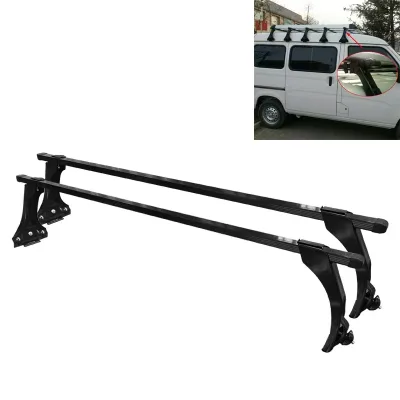

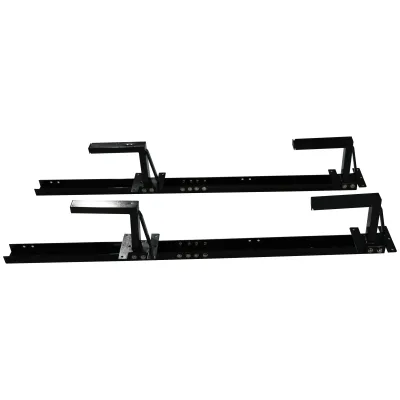


Comprehensive Sourcing Guide
Adjustable Steel Van Rack Sourcing Guide
Procuring an adjustable steel van rack requires a clear understanding of the distinct product categories available in the market, as the term often conflates heavy-duty warehouse storage with vehicle-mounted utility solutions. Buyers must first distinguish between static industrial racking systems designed for fixed warehouse environments and mobile rack structures intended for van roofs or sides. The supplied data indicates a significant divergence in product attributes, ranging from high-capacity pallet racking with electrostatic spray finishes to lightweight aluminum or steel ladder racks for commercial vehicles. This distinction is critical because the engineering requirements, load-bearing expectations, and installation protocols for these two categories are fundamentally different and should not be mixed during the sourcing process.
To navigate this complexity, buyers should categorize their requirements based on the intended use case, whether it involves maximizing vertical storage in a distribution center or enhancing cargo capacity on a moving vehicle. The observed listings reveal products with varying materials, including mild steel Q235 for structural strength and aluminum for corrosion resistance and weight reduction. Understanding these material differences allows procurement teams to align their selection with specific operational needs, such as durability in harsh industrial settings versus the need for easy handling and installation on vehicles. This initial segmentation ensures that subsequent technical evaluations and supplier qualifications are focused on the correct product type, preventing costly mismatches between buyer expectations and supplier capabilities.
Product Scope and Observed Listing Signals
The market for adjustable racks presents a wide spectrum of specifications, with observed price ranges spanning from approximately $23.50 to $104.62 USD, reflecting the disparity between simple accessory racks and complex structural systems. Minimum order quantities (MOQs) vary significantly, starting from just five sets for customized vehicle accessories up to ten thousand units for bulk industrial racking components. Buyers should note that products labeled as "adjustable" may refer to modular height adjustments in warehouse racks or flexible mounting configurations in van accessories. The presence of customization options, such as logo printing and color variations like blue, orange, or black, indicates that many suppliers offer OEM services, allowing businesses to brand their equipment for professional fleet management or branded warehouse environments.
Observed product attributes highlight specific design features that influence usability and integration. For instance, some van racks are designed for roof mounting with a load capacity of 100 kg, while others are side-mounted ladders weighing around 17 kg. In contrast, warehouse racks are described with substantial weight capacities of 1000-4500 kg per layer and heights ranging from 5 to 15 meters. These signals suggest that buyers must carefully verify the specific application context for each listing. The mention of "humanization design" and "easy installation" points to user-centric features, but the exact implementation details, such as whether the installation causes damage to the vehicle or requires specialized tools, must be confirmed with the supplier to ensure operational efficiency and safety.
Technical Specifications to Verify
When evaluating technical specifications, buyers must prioritize the verification of material composition and structural integrity, as these factors directly impact safety and longevity. For steel-based racks, confirming the use of mild steel Q235 is essential for ensuring adequate tensile strength and weldability, particularly for high-load applications. Surface treatment methods, such as electrostatic spray painting, should be verified to guarantee corrosion resistance, especially for racks exposed to outdoor elements or humid warehouse conditions. Additionally, the distinction between closed and open structures, as well as the specific dimensions like 120cm/135cm for van racks or 152415241524mm for pallet racks, must be cross-referenced with the buyer’s physical space constraints and vehicle dimensions to ensure proper fitment.
Load capacity and weight distribution are critical technical parameters that require rigorous validation. Buyers should request detailed engineering drawings or load test reports to confirm that the stated capacity of 1000-4500 kg per layer for warehouse racks is achieved through proper design and material thickness. For van racks, the 100 kg load limit must be understood in the context of dynamic forces experienced during transit, including braking and cornering. The detachable nature of some posts and the modular design of rack systems offer flexibility but also introduce potential points of failure if not engineered correctly. Verifying the stability of these adjustable components under load is crucial to prevent structural collapse or vehicle instability, making technical due diligence a non-negotiable step in the sourcing process.
Compliance and Safety Documentation
Safety compliance is paramount when sourcing adjustable racks, particularly for products that support heavy loads or are mounted on moving vehicles. Buyers should insist on documentation that verifies adherence to relevant structural and automotive safety standards, although specific standard numbers like EN 15512 or ISO 9001:2015 should be treated as background context rather than guaranteed certifications for every product. It is essential to request proof of quality management systems and material certifications to ensure that the steel or aluminum used meets industry-grade specifications. This documentation helps mitigate risks associated with structural failures, which can lead to significant property damage, inventory loss, or personal injury in both warehouse and transportation environments.
For van-mounted racks, compliance with automotive modification regulations is equally important. Buyers must verify that the installation methods, such as roof or side mounting, do not compromise the vehicle’s structural integrity or aerodynamic stability. Documentation should include clear installation guidelines that specify torque settings, mounting hardware specifications, and weight distribution limits to prevent damage to the vehicle’s roof or body. Additionally, buyers should inquire about the product shelf life, which is noted as 3 to 5 years with proper handling, to understand the expected durability and maintenance requirements. Ensuring that suppliers provide comprehensive safety manuals and compliance certificates helps buyers maintain regulatory adherence and protects their operations from liability issues related to product misuse or failure.
Cost Drivers and Commercial Terms
Understanding the cost drivers behind adjustable steel van racks allows buyers to negotiate more effectively and budget accurately for their procurement projects. Key factors influencing price include the material type, with aluminum typically commanding a premium over steel due to its lighter weight and corrosion resistance. The complexity of the design, such as the inclusion of humanized features or custom branding, also adds to the manufacturing cost. Additionally, surface treatment processes like electrostatic spray painting contribute to the final price by enhancing durability and aesthetic appeal. Buyers should analyze these components to determine where value is added and where cost-saving opportunities might exist without compromising quality or safety.
Commercial terms, including minimum order quantities and packaging methods, significantly impact the total cost of ownership. MOQs ranging from five sets to ten thousand units suggest that smaller orders may incur higher per-unit costs due to setup and production inefficiencies. Packaging details, such as the use of carton, bubble film, or plastic banding, are crucial for protecting products during transit and should be evaluated for their effectiveness in preventing damage. Buyers should also consider the logistics of installation, as products marketed with "easy installation" features may reduce labor costs and downtime. Negotiating favorable terms on packaging and shipping can further optimize costs, ensuring that the final delivered price aligns with the buyer’s financial expectations and project requirements.
Supplier Qualification and Quality Control
Supplier qualification is a critical step in ensuring the reliability and consistency of adjustable steel van racks. Buyers should conduct thorough due diligence to verify the supplier’s manufacturing capabilities, quality control processes, and track record in producing similar products. This includes assessing their ability to handle customization requests, such as logo printing and color variations, while maintaining strict quality standards. Suppliers located in regions like Guangdong or Dalian, China, may offer competitive advantages in terms of supply chain efficiency, but buyers must verify their production capacity and lead times to ensure timely delivery. Establishing a clear communication channel with the supplier is essential for addressing any technical queries or concerns during the sourcing process.
Quality control measures should be implemented throughout the production and delivery process to minimize the risk of defects. Buyers should request samples or conduct factory audits to inspect the material quality, weld integrity, and surface finish of the racks. Implementing pre-shipment inspections can help identify any potential issues before the products leave the supplier’s facility, reducing the likelihood of receiving damaged or non-conforming goods. Additionally, buyers should establish clear acceptance criteria based on the technical specifications and safety requirements discussed earlier. By maintaining rigorous quality control standards, buyers can ensure that the adjustable steel van racks they procure meet their operational needs and provide long-term value, thereby protecting their investment and enhancing their overall procurement efficiency.
Long-Term Procurement Checks
Long-term procurement success depends on establishing ongoing performance monitoring and relationship management with suppliers. Buyers should regularly review the performance of the adjustable steel van racks in terms of durability, ease of maintenance, and user satisfaction. Collecting feedback from end-users, such as warehouse staff or fleet drivers, can provide valuable insights into any operational issues or improvements needed. This feedback loop should be shared with the supplier to drive continuous improvement in product design and manufacturing processes. By maintaining an open dialogue with suppliers, buyers can foster a collaborative relationship that supports innovation and responsiveness to changing market demands.
Additionally, buyers should periodically reassess their sourcing strategy to ensure it remains aligned with their business objectives and market conditions. This includes evaluating the cost-effectiveness of current suppliers, exploring alternative materials or designs, and staying informed about industry trends and technological advancements. Regularly updating the supplier qualification criteria and quality control protocols helps mitigate risks and ensures that the procurement process remains efficient and effective. By adopting a proactive approach to long-term procurement checks, buyers can build a resilient supply chain that supports their operational needs and contributes to their overall business success, ensuring that their adjustable steel van racks continue to deliver value over time.
FAQs
How is the adjustable steel van rack customized for buyers?
Customization is available for the adjustable steel van rack to meet specific buyer needs. The product supports customer logos and offers color options like blue, orange, or customized shades. This flexibility allows users to tailor the rack for warehouse, industrial, or supermarket applications while maintaining high-quality standards.
What is the weight capacity per layer for this steel rack?
The weight capacity per layer ranges from 1000 to 4500 kilograms depending on the specific configuration. This high load-bearing capability makes the rack suitable for heavy industrial and warehouse storage needs. The structure is designed to safely support significant weights while ensuring stability during operation.
Can the adjustable steel van rack be installed easily without damage?
Yes, the adjustable steel van rack features an easy installation process that prevents damage to the vehicle. The design incorporates humanization principles to simplify setup. Users can mount the rack on the roof or side without requiring complex tools or risking structural harm to the van during the installation procedure.
Which materials are used to construct the adjustable steel van rack?
The rack is primarily constructed from steel, specifically mild steel Q235, ensuring durability and strength. Some variants may also utilize aluminum for specific components. The surface treatment involves electrostatic spray to protect against corrosion, making the product suitable for long-term use in various industrial and warehouse environments.
How does the adjustable steel van rack handle different warehouse heights?
The adjustable steel van rack is available in heights ranging from 5 to 15 meters to accommodate various warehouse requirements. This flexibility allows for efficient vertical space utilization in industrial settings. The rack structure is designed to be stable and secure regardless of the selected height configuration for optimal storage efficiency.
What is the minimum order quantity for purchasing the adjustable steel van rack?
The minimum order quantity for the adjustable steel van rack starts at 5 sets. This low entry point allows buyers to test the product quality before committing to larger orders. The MOQ range extends up to 10,000 units, providing flexibility for both small businesses and large industrial procurement needs.
How is the adjustable steel van rack packed for shipping?
The adjustable steel van rack is packed using carton boxes and bubble film to ensure safe transit. Some shipments may also include plastic banding and stretch film wrapping for added protection. This robust packaging method prevents damage during handling and ensures the product arrives in pristine condition for immediate installation and use.